Table of Contents
- Short Answer: Why God Rejected Cain’s Offering
- The Biblical Context of Genesis 4:2-8
- Cain and Abel’s Offerings: What Made Them Different
- The Biblical Definition of a Pleasing Sacrifice
- The Heart Behind Worship: Why Attitude Matters
- Cain’s Motivation and the Question of Sincerity
- God’s Response to Cain’s Anger and Rejection
- The Role of Faith in Worship and Divine Favor
- Common Misunderstandings About This Story
- What This Story Teaches Us About Worship Today
Last Updated: August 8, 2026
Short Answer: Why God Rejected Cain’s Offering
God rejected Cain’s offering not because he brought crops instead of an animal sacrifice, but because his heart was not right. The Bible tells us that God “had regard for Abel and his offering, but for Cain and his offering he had no regard” (Genesis 4:4-5, NRSVCE). This wasn’t about the type of gift, it was about the sincerity, faith, and attitude behind it. Cain brought “fruit of the ground” without the spirit of devotion that pleases God, while Abel brought “the firstlings of his flock” with genuine reverence. Understanding this story helps us see that true worship requires both right action and a sincere heart aligned with God’s will.
The Biblical Context of Genesis 4:2-8
The story of Cain and Abel takes place in humanity’s earliest days, right after Adam and Eve’s expulsion from Eden. Abel became a keeper of flocks, while Cain worked the soil as a farmer. These occupations shaped how each man understood offering and devotion to God.
The passage tells us: “In the course of time Cain brought to the Lord an offering of the fruit of the ground, and Abel for his part brought of the firstlings of his flock, their fat portions” (Genesis 4:3-4, NRSVCE). Notice the detail about Abel’s offering: he brought “the firstlings” and “their fat portions”, the best of what he had. This wasn’t casual. It was chosen with care and reverence.
God accepted Abel’s offering but rejected Cain’s. The text doesn’t say God was angry at Cain for being a farmer or for bringing crops. Instead, Cain’s response reveals something deeper about his character. He became angry and jealous. His face fell. God’s warning to him, “sin is lurking at the door; its desire is for you, but you must master it”, suggests that Cain’s real problem wasn’t his occupation or offering type, but his willingness to let anger and envy control him.
This context matters because it teaches one of the Bible’s most important lessons: God looks at the heart, not just the outward action.
Cain and Abel’s Offerings: What Made Them Different
The Agricultural Versus Pastoral Distinction
At first glance, it seems like God preferred Abel’s animal sacrifice over Cain’s agricultural offering. But this misses the deeper truth. Both types of offerings were acceptable in ancient Hebrew worship. Leviticus later describes grain offerings as legitimate sacrifices to the Lord.
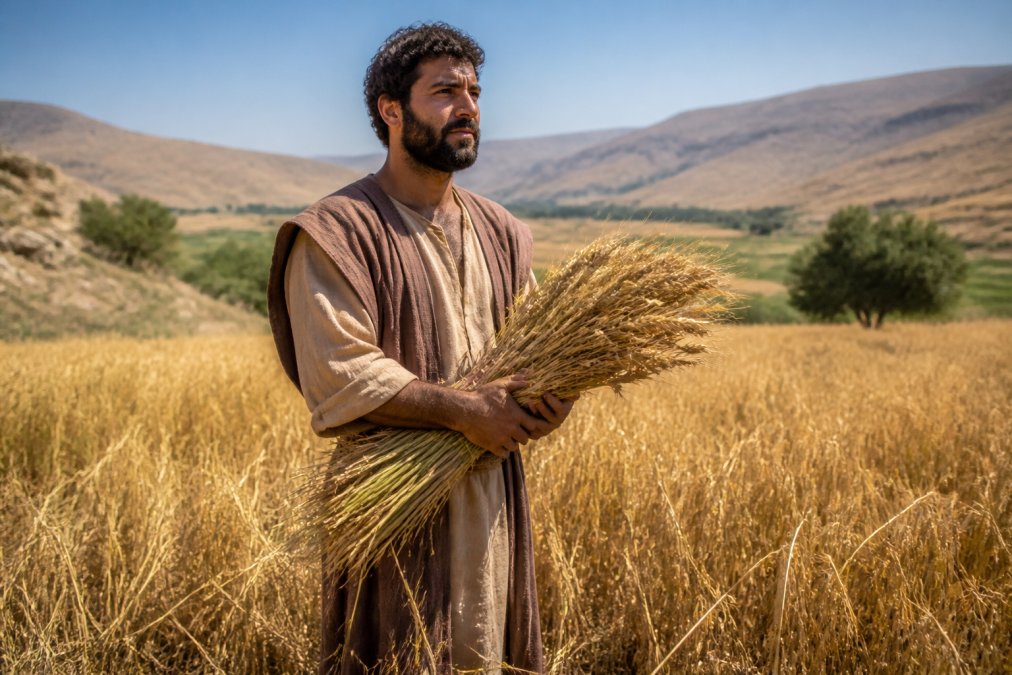
The real difference wasn’t the material itself, it was the spirit in which they were brought. Abel’s offering came with intentionality and sacrifice. He selected the firstlings of his flock, meaning the first and best offspring born to his animals. The text emphasizes that he brought “their fat portions,” the richest and most valuable parts. This was costly. This was a choice to give God something that mattered.
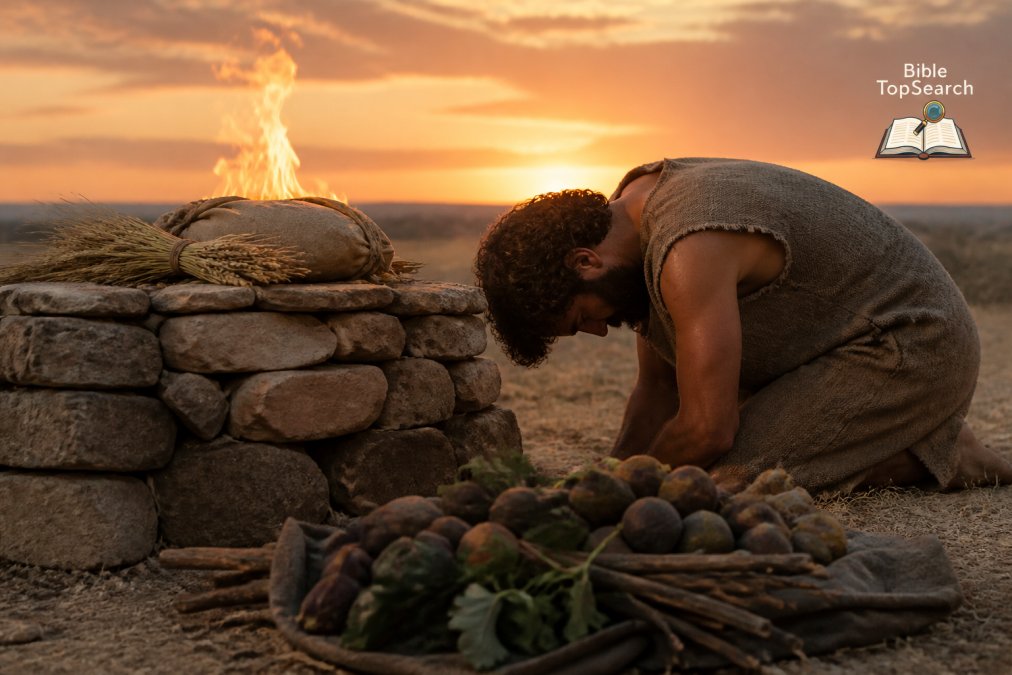
Cain brought “fruit of the ground.” The language is simpler, less specific. There’s no mention of choosing the best, of selecting firstfruits, or of bringing the finest of what he had grown. The contrast suggests that while both men brought offerings, Abel’s came from reverent devotion, while Cain’s was more routine, perhaps obligatory without genuine heart.
Firstfruits and the Principle of the Best
Understanding the concept of firstfruits is crucial to grasping why God’s response differed. In ancient Near Eastern culture and in Hebrew Scripture, the firstfruits held special significance. They represented a recognition that everything belongs to God and that the giver is willing to surrender the best to honor him.
When Abel brought “the firstlings of his flock,” he was practicing what would later become formalized in Israel’s law. Exodus 13:2 commands: “Consecrate to me all the firstborn; whatever is the first to open the womb among the Israelites, of human beings and animals, is mine” (NRSVCE). The firstfruits principle taught worshippers that God deserves priority, not leftovers.
Cain’s offering shows no such intentionality. There’s no indication he brought the firstfruits of his harvest or that he selected the choicest grain. He simply brought “fruit of the ground”, a generic offering that could have been anything. This suggests that Cain’s worship lacked the element of sacrifice and surrender that characterizes true devotion.
The difference between Cain and Abel’s offerings reveals that God values not just what we give, but the sacrifice and intentionality behind it. A small gift given with a whole heart pleases God more than a large gift given without genuine devotion.
The Biblical Definition of a Pleasing Sacrifice
What makes a sacrifice pleasing to God? Scripture gives us clear answers throughout the Old and New Testaments. A pleasing sacrifice requires three elements: right action, sincere motivation, and faith in God‘s character.
First, there’s obedience. God had established a pattern of worship that his people were to follow. Abel understood this. Cain apparently did not, or understood it and chose not to follow it.
Second, a pleasing sacrifice demands sincerity. The Psalmist writes: “The sacrifice acceptable to God is a broken spirit; a broken and contrite heart, O God, you will not despise” (Psalm 51:17, NRSVCE). God wants genuine repentance, humility, and a heart truly turned toward him. Abel brought his offering with reverence. Cain brought his without that inner alignment.
Third, pleasing sacrifice requires faith. Hebrews 11:4 tells us: “By faith Abel offered to God a more acceptable sacrifice than Cain’s. Through this he received approval as righteous, God himself giving approval to his gifts” (NRSVCE). Faith is the invisible ingredient that made all the difference. Abel believed God was worthy of his best. Cain’s lack of faith, his unwillingness to surrender his best or to follow what he knew God desired, revealed a heart not truly devoted to the Lord.
When you worship or serve God, ask yourself: Am I giving my best, or my leftover? Am I doing this with genuine faith and devotion, or just going through the motions? The heart matters more than the size of the gift.
The Heart Behind Worship: Why Attitude Matters
The core lesson of Cain and Abel’s story centers on a truth that echoes throughout Scripture: God looks at the heart. When Samuel was sent to anoint a new king for Israel, God told him: “The Lord does not see as mortals see; they look on the outward appearance, but the Lord looks on the heart” (1 Samuel 16:7, NRSVCE). This is exactly what happened with Cain and Abel. God saw past their outward actions to the motivations underneath.

Cain’s problem wasn’t that he was a farmer or that he brought crops. His problem was that his heart wasn’t aligned with reverence for God. He didn’t bring his best. He didn’t demonstrate faith through sacrifice. He didn’t show the kind of devotion that says, “God, you are worth more to me than my comfort or convenience.”
The attitude of worship shapes everything. When you approach God with a sincere heart, acknowledging his sovereignty and willing to surrender what matters to you, he receives that offering. When you approach with a casual attitude, going through motions without genuine devotion, God sees that too.
This doesn’t mean God is harsh or unreasonable. It means he values authenticity. He wants a relationship with us, not just our compliance.
Cain’s Motivation and the Question of Sincerity
What was Cain really thinking when he brought his offering? His reaction reveals much about his character. When God rejected his offering, Cain “was very angry, and his countenance fell” (Genesis 4:5, NRSVCE). This tells us something crucial: Cain knew what God wanted, and he knew his offering didn’t measure up.
If Cain had genuinely believed his offering was acceptable, he wouldn’t have reacted with such anger and shame. His response suggests he understood, at some level, that Abel’s offering was superior. Perhaps he had even seen Abel’s careful selection of the firstlings. And perhaps Cain made a choice: he would bring what he wanted to bring, not what he knew God preferred.
This is the psychology of Cain’s sin. It wasn’t ignorance. It was a failure of will, a refusal to surrender to God’s standard. He wanted to worship on his own terms.
God’s response to Cain is both stern and merciful. He says: “If you do well, will you not be accepted? And if you do not do well, sin is lurking at the door; its desire is for you, but you must master it” (Genesis 4:7, NRSVCE). This is a warning and an invitation. God is telling Cain: “You can still make this right. You can choose to do well. You can master the sin that’s tempting you.” But Cain doesn’t take that path. Instead, he lets his anger consume him, and it leads to tragedy.
God’s Response to Cain’s Anger and Rejection
God’s response to Cain reveals his character. He doesn’t simply reject Cain and move on. Instead, he engages with him. He asks questions. He offers correction. He gives Cain a chance to repent and choose differently.
“Why are you angry? Why has your countenance fallen?” God asks (Genesis 4:6, NRSVCE). These are invitations to self-reflection. God is asking Cain to examine his own heart and recognize that his anger is a choice he can control.
Then God offers the path forward: “If you do well, will you not be accepted?” (Genesis 4:7, NRSVCE). God isn’t saying Cain is permanently rejected or beyond redemption. He’s saying that Cain still has the opportunity to bring an acceptable offering and be received by God. The door is open. The choice is Cain’s.
But God also warns: “sin is lurking at the door; its desire is for you, but you must master it” (Genesis 4:7, NRSVCE). This is a profound statement about the nature of sin. Sin doesn’t force itself on us. It lurks, it desires, but we have the power to master it. We can choose righteousness. We can choose obedience.
Tragically, Cain doesn’t take this path. Instead, he gives in to his anger and jealousy. He kills his brother. What began as a failure of sincere worship becomes an act of murder, the first killing of a human by another human in Scripture.
When we reject God’s correction and refuse to align our hearts with his will, we open ourselves to deeper sin. Cain’s anger at his rejected offering became jealousy, which became murder. The pattern shows how unchecked resentment toward God can corrupt everything it touches.
The Role of Faith in Worship and Divine Favor
Faith is the invisible thread that connects all the elements of this story. Hebrews 11:4 makes it explicit: “By faith Abel offered to God a more acceptable sacrifice than Cain’s. Through this he received approval as righteous, God himself giving approval to his gifts” (NRSVCE).
What does it mean that Abel offered “by faith”? It means he believed God was real and attentive to human worship. He believed God valued sincere devotion over casual compliance. He believed that surrendering his best was worth it because God was worth it. And he believed that God would honor that faith.
Cain, by contrast, seems to have lacked this faith. He brought an offering, yes, but without the conviction that God deserved his best or that his heart attitude mattered. He went through the motions, but the faith that animates true worship was absent.
God’s approval doesn’t come from checking boxes or performing rituals. It comes from a heart that genuinely trusts him and is willing to demonstrate that trust through sacrifice and obedience. When we worship with faith, believing that God sees us, values us, and is worthy of our devotion, we position ourselves to receive his favor and blessing.
Common Misunderstandings About This Story
Several misconceptions about Cain and Abel’s story circulate in Christian teaching.
Misunderstanding 1: God prefers animal sacrifices over grain offerings. Many people assume God rejected Cain because he brought crops instead of an animal. But Scripture shows that grain offerings were legitimate and acceptable throughout Israel’s history. Leviticus 2 describes detailed instructions for grain offerings. The problem wasn’t the type of offering, it was Cain’s heart.
Misunderstanding 2: Cain didn’t know what God wanted. Some suggest Cain was simply unaware that God preferred animal sacrifices. But God’s response to Cain’s anger, “If you do well, will you not be accepted?”, implies that Cain understood what “doing well” meant. He knew the standard. He simply didn’t meet it.
Misunderstanding 3: God was arbitrary or unfair. If we misunderstand the story, it can seem like God randomly favored Abel without good reason. But the text shows clear distinctions: Abel brought his best with faith and reverence; Cain brought a generic offering without demonstrated devotion. God’s response was just.
Misunderstanding 4: This story is primarily about jealousy and murder. While Cain’s murder of Abel is the tragic conclusion, the real lesson is about worship and the heart. The murder is the consequence of Cain’s refusal to align his heart with God’s will.
The Cain and Abel story isn’t about God’s arbitrary preferences or about animal sacrifices being superior to grain offerings. It’s about the condition of the human heart and whether we approach God with genuine faith and devotion or with casual indifference.
What This Story Teaches Us About Worship Today
The principles embedded in Cain and Abel’s story apply directly to how we worship and serve God today. We may not bring animal sacrifices or grain offerings, but we bring ourselves, our time, our talents, our resources, our hearts.
First, bring your best. God doesn’t ask for perfection, but he does ask for sincerity. When you pray, give, serve, or worship, do it with intention. Don’t offer God your leftovers or your spare time. The principle of firstfruits teaches us that God deserves priority. When you put him first in your life, your finances, your decisions, and your time, you’re practicing the same devotion Abel demonstrated.
Second, examine your heart. Before you worship, ask yourself: Why am I doing this? Is it genuine, or am I going through motions? Am I here because I truly believe God is worthy, or because I feel obligated? These questions matter. They shape whether your worship is pleasing to God.
Third, choose faith over anger. When God corrects us, through Scripture, through circumstances, through the conviction of the Holy Spirit, we face a choice like Cain’s. We can accept the correction, adjust our hearts and actions, and move forward in faith. Or we can become angry, defensive, and resentful. Cain’s tragedy began not with his rejected offering, but with his refusal to accept correction.
Fourth, remember that God looks at the heart. You can do all the right things externally and still miss the point if your heart isn’t aligned with God. Conversely, even small acts done with genuine faith and love are precious to God. He sees your sincerity. He honors your sacrifice.
Conclusion
The story of Cain and Abel answers a question that echoes through human history: What does God really want from us? The answer is simple: God wants our hearts. He wants us to recognize his worth and demonstrate that recognition through sincere devotion. He wants us to be willing to sacrifice, to give him our best, not our leftovers. And he wants us to approach him with faith, trusting that he sees us, values us, and is worthy of our complete allegiance.
Cain’s tragedy wasn’t that he was a farmer or that he brought crops. His tragedy was that he approached God without genuine faith and then refused to accept correction. Abel, by contrast, approached God with reverence and faith, and he received God’s approval. His offering was accepted not because of what he brought, but because of the heart with which he brought it.
As you reflect on this story, consider your own worship. Are you bringing your best to God, or your leftovers? Are you approaching him with genuine faith and devotion, or with casual indifference? The answers to these questions shape not just your spiritual life, but your entire character and destiny.
Encourage Further Bible Study
This story is just the beginning of understanding how God relates to human worship and devotion. At BibleTopSearch.com, we’ve compiled accessible guides to the most searched Bible questions, including deeper explorations of sacrifice, faith, and what it means to worship with a sincere heart.
We encourage you to read the full account in Genesis 4:1-16 yourself and to explore related passages like Hebrews 11:4, which connects faith directly to acceptable worship. Consider watching our corresponding video teaching on Cain and Abel for a deeper dive into the cultural and spiritual context of this powerful story.
You can also download our free Bible study guide on worship and the heart, which includes reflection questions, related Scripture passages, and practical ways to examine your own approach to faith. Whether you’re new to Bible study or returning to your faith after a season away, BibleTopSearch is here to help you understand Scripture in a way that transforms your relationship with God.
Frequently Asked Questions
What was the difference between Cain and Abel’s offerings?
Cain brought produce from the ground he cultivated, while Abel brought the firstborn of his flock. The key difference was not the type of offering but the heart and obedience behind it. Abel’s offering came from faith and sincere devotion, while Scripture suggests Cain’s lacked the same spirit of worship. God’s acceptance of Abel’s sacrifice and rejection of Cain’s reveals that the heart attitude behind worship matters more than the material gift itself.
Does the Bible say Cain’s heart was the reason for rejection?
Yes, the biblical narrative and theological interpretation point to the heart as central. Genesis 4:7 shows God warning Cain that sin is crouching at his door, suggesting his attitude and motivation were problematic. Hebrews 11:4 explicitly states that Abel’s offering was accepted because he brought it in faith, implying Cain’s lacked this essential element. The rejection was about sincerity, obedience, and genuine worship, not the material value of the offering.
What can we learn from the story of Cain and Abel today?
This story teaches that God values the heart behind our worship and obedience more than outward actions alone. It reminds us that faith, sincerity, and genuine devotion are the foundation of a right relationship with God. We also learn that when we face rejection or disappointment, we have a choice: we can either turn toward God in humility or allow anger and resentment to lead us away. The story challenges us to examine our own motivations in worship and service.
What does Cain’s offering symbolize in the Bible?
Cain’s offering symbolizes human effort and works done without genuine faith or heart alignment with God. It represents the danger of going through the motions of worship without true devotion. In Scripture, Cain’s offering becomes a contrast to Abel’s faithful sacrifice, illustrating that God desires authentic relationship and sincere worship. The rejection of Cain’s offering foreshadows biblical themes about the insufficiency of human works apart from faith and the importance of a right heart before God.
God looks at the heart. When you approach him with genuine faith, sincere devotion, and a willingness to give your best, he receives you. That’s the promise embedded in Cain and Abel’s story, and it remains true for you today. Explore BibleTopSearch’s free resources to deepen your understanding of Scripture and grow in your faith journey.