Table of Contents
- Short Answer: How to Read Bible Daily
- Biblical Context: Why Daily Bible Reading Matters
- Relevant Scripture Passages on God’s Word
- Choosing a Bible Reading Plan for Beginners
- How to Understand the Bible for Beginners
- Establishing a Consistent Time and Place
- Best Bible Study Apps for Beginners
- Tips for Consistent Bible Study
- Prayer, Reflection, and Accountability
- Common Misunderstandings About Daily Bible Reading
Last Updated: August 25, 2026
Short Answer: How to Read Bible Daily
Reading the Bible daily begins with choosing a plan that fits your schedule, selecting a translation you understand, and committing to a consistent time and place. Start small, even ten minutes a day builds the habit. The key is showing up regularly, not reading perfectly. Prayer before and after your reading, combined with simple reflection on what you’ve learned, transforms Scripture from information into transformation.
Biblical Context: Why Daily Bible Reading Matters
Daily Bible reading is more than a spiritual habit, it’s a practice rooted in Scripture itself. Throughout the Bible, God’s people are called to meditate on His Word continuously. The Psalms overflow with language about delighting in God’s law, and the New Testament shows early believers devoted to the apostles’ teaching. When you commit to reading the Bible daily, you’re joining a centuries-old tradition of believers who understood that consistent exposure to Scripture shapes how we think, feel, and act.
The practice matters because Scripture is living and active. When you return to the same passages week after week, you often notice something new, a phrase that suddenly applies to your current situation, a connection you missed before, or a deeper understanding of God’s character. This isn’t coincidence. It’s the Holy Spirit working through God’s Word to speak directly into your life.
Consider this: if you spent ten minutes daily reading Scripture, you’d absorb far more biblical truth in a year than most Christians do in a lifetime of sporadic reading (peer-reviewed research). The compounding effect of daily engagement transforms your understanding of who God is and who you’re becoming in Him.
Relevant Scripture Passages on God’s Word
Scripture itself emphasizes the importance of engaging with God’s Word regularly. These passages anchor the practice of daily Bible reading in biblical truth:
Deuteronomy 6:6 reminds us: “Keep these words that I am commanding you today in your heart.” This isn’t a one-time event, it’s an ongoing commitment to let God’s Word shape your inner life.
Joshua 1:8 offers practical guidance: “Keep this Book of the Law always on your lips; meditate on it day and night, so that you may be careful to do everything written in it.” Joshua was called to lead a nation, yet his strength came from constant engagement with Scripture.
Psalm 1:2-3 describes the blessed person as one whose “delight is in the law of the Lord, and on his law he meditates day and night. That person is like a tree planted by streams of water, which yields its fruit in season and whose leaf does not wither.” Daily meditation produces spiritual fruit.
Proverbs 22:17 states: “Pay attention and listen to the sayings of the wise; apply your heart to what I teach.” This invitation to attentive listening applies directly to how we approach Scripture.
John 8:31-32 captures Jesus’s teaching: “If you hold to my teaching, you are really my disciples. Then you will know the truth, and the truth will set you free.” Holding to Jesus’s teaching requires consistent engagement with His Word.
2 Timothy 2:15 urges: “Present yourself to God as one approved, a worker who… correctly handles the word of truth.” This speaks to the intentionality required in Bible study.
Choosing a Bible Reading Plan for Beginners
A reading plan removes the guesswork from your daily practice. Instead of opening your Bible randomly and hoping something speaks to you, a plan guides you through Scripture systematically. For beginners, this structure is invaluable, it prevents you from getting stuck in Genesis or jumping around without direction.
Several types of plans work well for those starting out. A chronological plan takes you through the Bible in order of events as they occurred historically, helping you see the big picture of God’s story. A thematic plan groups passages around topics like faith, prayer, or God’s character, which can feel more immediately applicable to your life. A book-by-book plan walks you through one biblical book at a time, allowing deeper engagement with a single author’s voice and message.
For absolute beginners, many find success starting with the New Testament, specifically the Gospel of Mark, which is the shortest gospel and moves quickly. Mark’s account of Jesus’s life is direct and action-packed, making it easier to stay engaged than jumping into the Old Testament genealogies.
The length of daily reading matters too. A plan that requires 30 minutes might feel overwhelming if you’re building the habit. Instead, choose one that takes 10-15 minutes daily. You can always read more if you’re inspired, but having a manageable minimum keeps you from abandoning the practice when life gets busy.
BibleTopSearch.com offers free Bible reading guides designed specifically for beginners. These guides break Scripture into bite-sized daily readings with context and reflection prompts, making it easier to understand what you’re reading without requiring a theology degree.
How to Understand the Bible for Beginners
Understanding Scripture doesn’t require seminary training. With a few basic tools, any believer can grasp what the Bible is actually saying.
Start by reading passages in context. Never read a single verse in isolation, always read at least the full paragraph around it, and ideally the entire chapter. A verse that seems confusing often makes perfect sense when you see what comes before and after it. This is how misinterpretations happen: a single sentence gets pulled out and used to support something the author never intended.
Pay attention to the type of literature you’re reading. The Psalms are poetry, so they use imagery and emotion differently than the historical narratives in Samuel or Kings. Jesus’s parables are teaching stories, not literal descriptions of how the world works. Paul’s letters address specific problems in specific churches, so understanding the context of that church helps you grasp his point. When you recognize the genre, you read it the way it was meant to be read.
Look for the main idea of each passage rather than trying to extract spiritual lessons from every detail. Ask yourself: What is the author trying to communicate? What’s the central point? Once you’ve grasped that, the details make more sense.
Use a study Bible or Bible app that includes introductions and notes. These aren’t replacements for reading Scripture itself, but they provide valuable context about who wrote the book, when it was written, and what was happening in the world at that time. Understanding the historical and cultural background transforms your comprehension.
Don’t rush to apply every passage to your life immediately. First, understand what it meant to the original audience. Then ask how that principle applies to you today. This two-step process, understanding the original context, then drawing out the contemporary application, prevents you from making Scripture say whatever you want it to say.
Establishing a Consistent Time and Place
Habit formation research consistently shows that consistency matters more than intensity (peer-reviewed research). Reading the Bible for thirty minutes once a month won’t transform your spiritual life the way ten minutes every single day will. This is why establishing a specific time and place is crucial, it removes the daily decision of “when will I read?” and turns Bible reading into an automatic part of your routine.
Choose a time when your mind is freshest and you’re least likely to be interrupted. For many, this means early morning, before the demands of the day kick in. Others find that a midday break or evening wind-down works better with their schedule. The “best” time is the time you’ll actually do it consistently.
Create a dedicated space if possible. This doesn’t need to be elaborate, a comfortable chair by a window, a corner of your kitchen table, or even a spot on your bed works perfectly. The point is having a place you associate with Bible reading. Over time, sitting in that space triggers your brain to shift into a reflective, receptive mindset. Your environment becomes part of your routine.
Minimize distractions during your reading time. Put your phone on silent or in another room. If you have family members at home, let them know you need fifteen uninterrupted minutes. This isn’t selfish, it’s protecting something sacred. You wouldn’t answer emails during prayer; treat your Bible reading time with the same respect.

Consider pairing your Bible reading with another habit. Reading Scripture with a cup of coffee, tea, or water creates a pleasant ritual that your brain will start to crave. This “habit stacking” makes the practice feel less like an obligation and more like a moment you look forward to.
Best Bible Study Apps for Beginners
Digital tools can make daily Bible reading more accessible and engaging. A good Bible app puts Scripture in your pocket, offers reading plans, and often includes study notes and commentary. The best apps for beginners balance simplicity with depth, they don’t overwhelm you with features, but they provide enough support to deepen your understanding.
Enjoyed this article? Download your FREE guide: Ten Difficult Bible Questions —Answered. →
Many apps offer free versions with solid features. Free plans typically include multiple Bible translations, basic reading plans, and the ability to bookmark passages. Paid subscriptions usually add features like offline access, advanced study tools, and premium commentary. For someone just starting out, the free version is usually sufficient.
When choosing an app, consider whether you prefer reading on your phone, tablet, or computer. Some apps sync across devices, so you can start reading on your phone during your commute and continue on your computer at home. The ability to highlight verses, add notes, and save passages you want to revisit later helps you engage more deeply with Scripture.
Look for apps that include reading plans specifically designed for beginners. These plans often include brief explanations of what you’re reading and simple reflection questions. This guidance transforms passive reading into active study, helping you understand and retain what you’ve learned.
Tips for Consistent Bible Study
Consistency is where most people struggle. The first week of a new Bible reading habit feels exciting and fresh. By week three, the novelty wears off and real discipline is required. Here’s how to maintain momentum.
Start impossibly small. If you’ve never read the Bible daily before, committing to thirty minutes is setting yourself up for failure. Instead, commit to just five or ten minutes. You can always read more if you’re inspired, but having a tiny minimum keeps you from quitting when life gets chaotic. Small wins build confidence and momentum.
Track your progress visually. A simple calendar where you mark off each day you read Scripture creates accountability and motivation (apa.org). There’s something powerful about not wanting to break the chain. This visual feedback reminds you that consistency is working, even on days when you don’t feel particularly moved by what you read.
Expect dry seasons and plan for them. Some days Scripture will feel alive and immediately relevant. Other days, you’ll read and wonder if anything is getting through. This is normal. Don’t abandon your practice during these seasons, they’re often when faith deepens most. You’re learning to trust God’s Word even when you don’t feel emotionally moved by it.
Find an accountability partner or join a Bible study group. Knowing someone else is reading the same passages creates gentle accountability. You’re more likely to show up for a commitment when someone else is counting on you. Plus, discussing what you’ve read with others deepens your understanding and often reveals insights you would have missed alone.
Adjust your plan if it’s not working. If you chose a reading plan that requires 45 minutes daily and you’re consistently falling behind, switch to a shorter plan. There’s no shame in this, you’re being realistic about your life and making adjustments to ensure success. The goal is sustainable daily reading, not completing a specific plan on someone else’s timeline.
Prayer, Reflection, and Accountability
Prayer transforms Bible reading from information gathering into spiritual formation. Before you read, spend a minute in simple prayer: “Lord, open my eyes to what you want to teach me today. Help me understand and apply your Word.” This brief prayer shifts your mindset from passive reading to active listening.
As you read, notice what stands out. Sometimes a phrase will jump off the page. Sometimes a passage will connect to something happening in your life. These moments of resonance are often the Holy Spirit speaking directly to you. Pause and sit with these moments rather than rushing through them.
After reading, spend a few minutes in reflection. Ask yourself: What is God teaching me today? How does this apply to my life right now? What will I do differently because of what I’ve read? Writing these reflections in a journal creates a record of your spiritual journey and helps cement what you’ve learned.
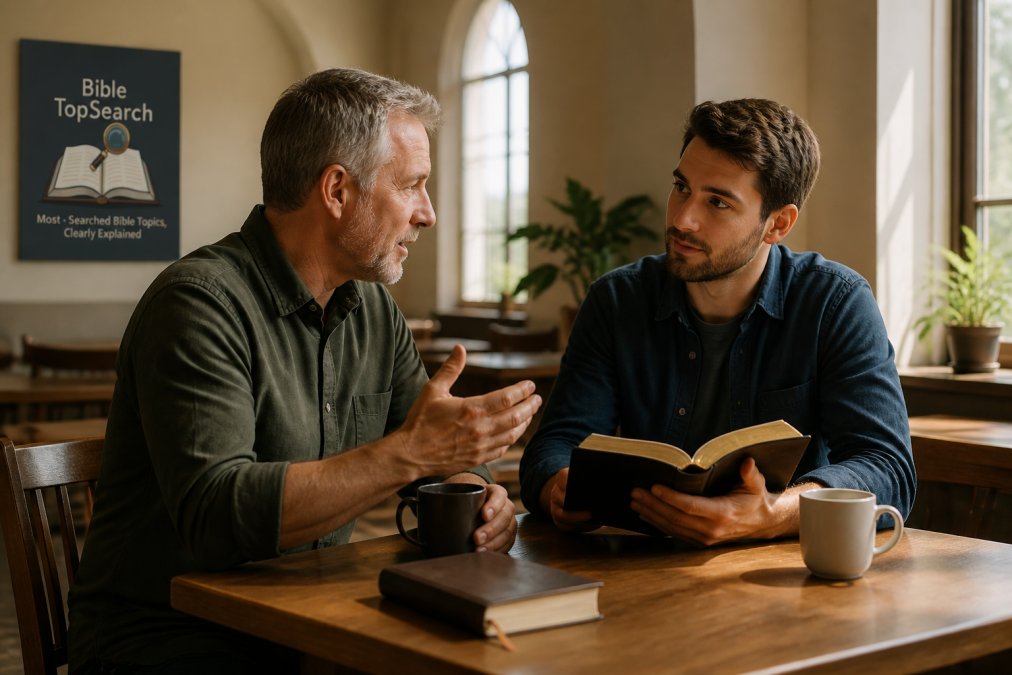
Accountability means having someone to share your journey with. This might be a spouse, a close friend, a mentor, or a small group from your church. Share what you’re learning, ask for prayer, and encourage each other to keep going. When you know you’ll see someone this week and they’ll ask what you’ve been reading, you’re more likely to show up for your daily practice.
Common Misunderstandings About Daily Bible Reading
Many people approach daily Bible reading with false expectations that set them up for disappointment. Understanding these misunderstandings helps you maintain realistic, sustainable practice.
Misunderstanding 1: You need to understand everything. The Bible contains passages that confuse even experienced scholars. When you encounter something you don’t understand, that’s not failure, that’s normal. Write down your questions, look for commentary or ask a trusted mentor, but don’t let confusion stop you from reading. Often, continued reading in Scripture provides the context you need to understand a difficult passage.
Misunderstanding 2: Bible reading should always feel emotional or moving. Some days you’ll feel deeply moved by Scripture. Other days, you’ll read and feel nothing. Both are valid experiences. Faith isn’t based on feelings, it’s based on God’s character and promises. Reading Scripture even when you don’t feel emotionally moved strengthens your faith in a deeper way.
Misunderstanding 3: You must read large chunks to make progress. Reading two chapters daily is wonderful, but reading one short passage and meditating on it deeply is equally valuable. Quality engagement matters more than quantity. Ten minutes of focused, prayerful reading accomplishes more than an hour of distracted skimming.
Misunderstanding 4: One missed day ruins everything. Life happens. You’ll miss days. When you do, don’t spiral into guilt or give up entirely. Simply pick up where you left off the next day. The practice isn’t about perfection, it’s about consistent, humble engagement with God’s Word over time.
Misunderstanding 5: You need a fancy Bible or special tools. The most expensive study Bible and the simplest translation work equally well for building the daily habit. What matters is that you actually read, not what version you read or what tools you use. Start with what you have.
Conclusion
How to read the Bible daily comes down to three simple commitments: choose a manageable plan, establish a consistent time and place, and show up regularly even when it feels difficult. The practice isn’t about becoming a biblical scholar or having profound spiritual experiences every day. It’s about positioning yourself to hear God’s voice through His Word, day after day, week after week, year after year.
The transformation happens not in dramatic moments but in the slow, steady accumulation of truth. As you read Scripture consistently, your understanding of God deepens. Your perspective on life shifts. Your responses to challenges become more grounded in biblical truth. Your relationship with Christ grows richer and more real.
Start today. Not tomorrow, not next Monday. Today. Choose one short passage, spend ten minutes reading and reflecting on it, and pray about what you’ve learned. Do the same tomorrow. Then the next day. Small, consistent actions compound into a transformed spiritual life.
At BibleTopSearch.com, we’re committed to helping you understand what the Bible actually says without needing a theology degree. We’ve created free Bible reading guides, video teachings, and study resources designed specifically for people like you, people seeking clarity, calm, and confidence through Scripture. Download your free Bible guide and explore our video teachings to deepen your understanding of God’s Word. Continue exploring Bible Answers at BibleTopSearch.com, where every question finds a biblical foundation and a compassionate response.
Frequently Asked Questions
How should a beginner read the Bible daily?
Start with a simple reading plan that guides you through specific passages each day. Choose a consistent time and quiet place, read slowly without rushing, and reflect on what stands out to you. Write down questions or insights in a journal. Use a Bible translation you understand easily. Begin with just 10-15 minutes daily, then gradually increase as the habit strengthens. Prayer before and after reading helps you connect with God's word personally.
What is a good Bible reading plan for beginners?
Look for plans that focus on one book at a time, such as reading through the Gospel of John or Romans. Many plans provide daily passages with brief commentary. The Gospels (Matthew, Mark, Luke, John) are excellent starting points because they show Jesus' life and teachings directly. Chronological plans take you through the Bible in order, while thematic plans group passages around topics like faith, prayer, or forgiveness. Choose a plan that matches your schedule and spiritual goals.
How much time should I spend reading the Bible each day?
Begin with 10-15 minutes daily. This is enough to read a passage, reflect on it, and pray. As your habit strengthens and you grow more engaged, you may naturally spend 20-30 minutes. The goal is consistency, not length. A few minutes of focused, prayerful reading is more valuable than rushing through longer passages. Quality of engagement matters far more than quantity of time spent.
What should I do if I miss a day of Bible reading?
Missing a day is normal and doesn't break your spiritual journey. Simply resume the next day without guilt or shame. Some readers catch up by reading the missed passage alongside the next day's reading. Others continue forward without catching up, knowing that God's grace covers imperfection. The key is returning to the habit quickly rather than abandoning it entirely. Many people find that accountability partners or reminders help prevent repeated missed days.