Table of Contents
- What Is Prayer?
- Biblical Context and Purpose of Prayer
- The ACTS Prayer Model Explained
- How to Start a Prayer Life
- Simple Prayer Templates for Beginners
- How Long Should a Daily Prayer Be?
- Common Misunderstandings About Prayer
- Listening During Prayer and Spiritual Growth
- Conclusion: Building Your Prayer Practice
Last Updated: August 26, 2026
What Is Prayer?
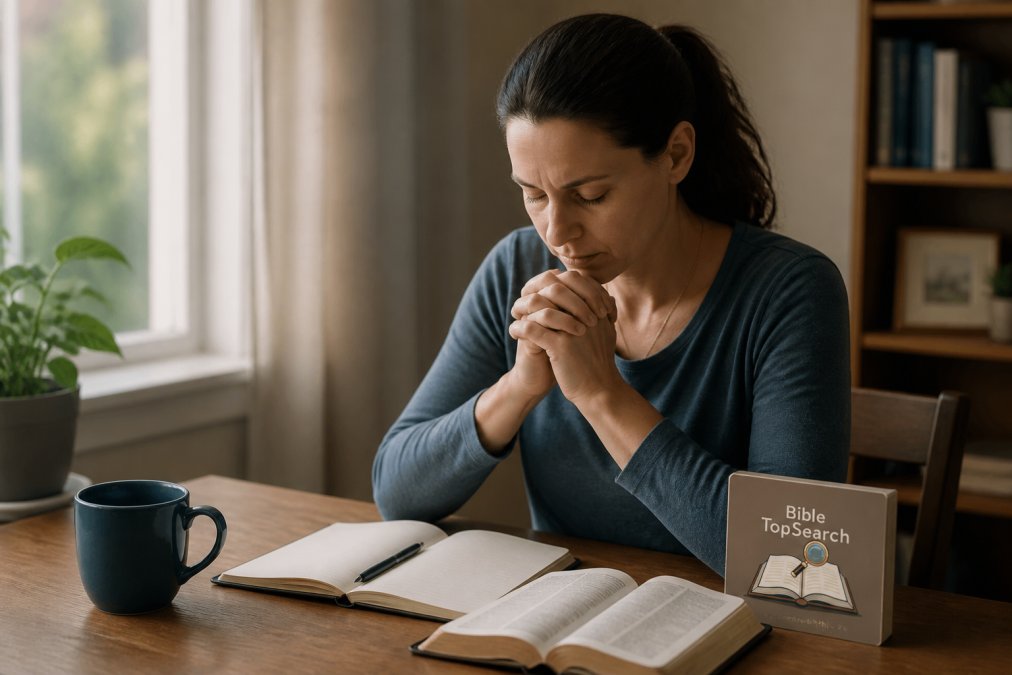
Prayer is simply talking with God. It’s a conversation where you speak your thoughts, feelings, and requests to the Creator who loves you and listens. God wants to hear from you exactly as you are, in your own words, with your genuine emotions, whether you’re confused, angry, grateful, or afraid.
Many people think prayer must sound formal or use special words. That’s one of the biggest obstacles to developing a real prayer life. Prayer isn’t about changing God’s mind or earning His favor. It’s about aligning your heart with His and opening yourself to His guidance, comfort, and transformation.
Biblical Context and Purpose of Prayer
Prayer has always been central to faith. From the earliest followers of God to Jesus Himself, prayer appears throughout Scripture as the primary way people connect with the divine.
God designed prayer as a gift, His invitation for you to participate in His work and experience His presence. Prayer serves multiple purposes: it offers adoration and praise to God, allows confession and repentance, expresses gratitude, and involves intercession for others. Prayer also includes listening, which many people overlook. Spiritual growth happens when prayer becomes a two-way conversation rather than a one-way request list.
Jesus taught His disciples that prayer should flow from a sincere heart. He criticized people who prayed to be seen by others, emphasizing that authentic prayer happens in solitude and sincerity. The New Testament reveals that prayer is how believers access God’s power and guidance. The early church devoted themselves to prayer alongside studying Scripture and gathering together, showing that prayer strengthens entire communities of faith.
The ACTS Prayer Model Explained
One of the most helpful frameworks for understanding prayer is the ACTS model. This simple structure helps organize your thoughts and ensures your prayers cover different dimensions of your relationship with God.
A is for Adoration. Begin by praising God for who He is, His character, power, love, and holiness. Adoration shifts your focus from your problems to God’s greatness.
C is for Confession. Acknowledge your sins and failures honestly. Confession clears the barrier between you and God. The Bible promises that God is faithful and just to forgive us when we confess (1 John 1:9) (peer-reviewed research).
T is for Thanksgiving. Express gratitude for specific blessings in your life. Thanksgiving deepens your awareness of God’s goodness and trains your mind to notice His work in your daily life.
S is for Supplication. Make your requests known to God, for yourself and for others. You can ask God for guidance, healing, wisdom, provision, or anything that concerns you.
The beauty of the ACTS model is that it’s flexible. You don’t need to spend equal time on each element or follow the exact order. Some days your prayer might emphasize confession; other days it might focus on thanksgiving.
How to Start a Prayer Life
Beginning a prayer life doesn’t require special preparation or perfect conditions. It starts with a decision to reach out to God and then taking that first step.
Find a quiet space. You don’t need a fancy prayer room. A corner of your bedroom, a park bench, or even your car can become a place of prayer. The key is finding somewhere you can focus without constant interruption.
Choose a consistent time. Many people find that praying at the same time each day helps establish the habit. Some pray first thing in the morning; others prefer evening prayer. A few minutes is enough to start; consistency matters more than duration. Tie your prayer to an existing habit: after your morning coffee, during your lunch break, or right before bed.
Start with honesty. Don’t try to sound spiritual or use words you wouldn’t normally use. Tell God what’s actually on your heart. If you’re struggling, say so. If you’re grateful, express it. God already knows your thoughts; He’s waiting for you to be real with Him.
Use Scripture as a foundation. Reading a short passage from the Bible before you pray helps ground your prayer in God’s truth. The Psalms are excellent for this because they express the full range of human emotion, from despair to joy.
Write if it helps. Some people find that writing prayers in a journal helps them focus and remember what they’ve prayed about. If writing feels natural to you, use it. If not, spoken prayer works just as well.
Expect distractions and don’t quit. Your mind will wander. This is completely normal and happens to experienced believers too. When you notice your mind has drifted, gently bring your attention back to God without frustration.
Don’t aim for perfection. Your first prayers might feel awkward or incomplete. Prayer is a skill that develops over time. Each time you pray, you’re building a deeper relationship with God.
Address the silence question early. One of the biggest obstacles new believers face is praying and feeling like nothing happens. The Bible acknowledges this experience directly. The Psalms are full of prayers where the psalmist asks, “God, where are you?” (Psalm 10:1, Psalm 13:1). Silence doesn’t mean God isn’t listening; it means you’re in a season where faith is being tested and deepened.

Simple Prayer Templates for Beginners
Sometimes having a starting point makes it easier to begin. These templates show you how to structure a simple prayer, but remember they’re guides, not rules.
Template 1: A Simple Daily Prayer
“God, I’m grateful for another day and for Your presence in my life. I confess that I haven’t always acted the way I know I should. Thank You for forgiving me. Please guide my choices today and help me treat others with kindness. I’m [worried about specific concern], and I trust You to help me through it. Help me listen for Your voice today. In Jesus’s name, amen.”
Template 2: A Prayer for Difficult Times
“God, I’m struggling right now, and I don’t have all the answers. I know You care about what I’m going through. Please give me strength and wisdom. Help me trust You even when circumstances feel overwhelming. Thank You for being with me in this difficult season. In Jesus’s name, amen.”
Template 3: A Prayer of Thanksgiving
“God, I want to thank You for the blessings in my life. Thank You for [name specific people, circumstances, or provisions]. Thank You for Your faithfulness. Help me remember to notice and appreciate Your goodness more often. In Jesus’s name, amen.”
Template 4: A Prayer for Others
“God, I’m bringing [person’s name] before You. They’re facing [describe the situation], and I know they need Your help. Please guide them, comfort them, and show them Your love. Give them wisdom and strength. Thank You for caring about them. In Jesus’s name, amen.”
These templates work best when you personalize them with your actual concerns, specific names, and genuine emotions.
How Long Should a Daily Prayer Be?
There’s no “right” length for prayer. Jesus taught His disciples the Lord’s Prayer, which takes less than a minute to recite . For someone starting a prayer life, five to ten minutes is a reasonable goal. This gives you enough time to move through adoration, confession, thanksgiving, and supplication without feeling rushed.
Quality matters more than quantity. A genuine five-minute prayer where you’re fully present with God accomplishes more than a rushed thirty minutes where your mind is elsewhere. Consistency, praying daily even if briefly, transforms your spiritual life more than occasional lengthy prayer sessions.
Even a two-minute prayer spoken with genuine devotion maintains your connection with God and keeps your heart aligned with His.
Common Misunderstandings About Prayer
Several myths about prayer prevent people from developing a genuine prayer life.
Misunderstanding 1: God only listens to “good” people. Prayer isn’t a reward for the righteous; it’s a lifeline for everyone. God especially listens to people who recognize their need for Him.
Misunderstanding 2: You need to use formal, religious language. God doesn’t care about your vocabulary or grammar. He cares about your heart. You can pray using everyday language, however you naturally speak.
Misunderstanding 3: Prayer should always result in getting what you ask for. Prayer isn’t a vending machine. Sometimes God says yes, sometimes no, and sometimes He invites you to wait. His answers serve your ultimate spiritual growth.
Misunderstanding 4: You must pray in a specific location or position. You can pray while walking, driving, working, or lying in bed. What matters is your heart’s orientation toward God.
Misunderstanding 5: Prayer requires you to have your life together first. Prayer is where you bring your mess, confusion, and brokenness. Prayer is how you become spiritually mature.
Listening During Prayer and Spiritual Growth
Many people think prayer is only about talking to God. But genuine prayer includes listening. This listening dimension transforms prayer from a monologue into real conversation and is essential for spiritual growth.
Listening during prayer means creating space for God to speak to your heart. God speaks through Scripture, through the quiet impressions of the Holy Spirit, through circumstances, and through wise counsel from other believers. When you pray, pause and wait. Give God room to work in your mind and heart.
One practical way to listen is through Scripture meditation. After reading a passage, sit quietly and let God’s Word speak to you. What verse stands out? What does it mean for your current situation?
Listening also involves paying attention to how God is working in your daily life. Sometimes His answer comes through unexpected circumstances, a conversation with a friend, or sudden clarity about a decision. When you develop the habit of listening, you start noticing these divine communications more regularly.

Spiritual growth accelerates when prayer becomes relational rather than transactional. Instead of just asking God for things, you’re developing intimacy with Him. You’re learning His character, understanding His values, and allowing His perspective to shape how you see the world.
The practice of contemplative prayer, simply sitting in God’s presence without a specific agenda, opens you to this deeper listening. Some people use silence, others use gentle music, and others focus on a short Scripture phrase.
Conclusion: Building Your Prayer Practice
Understanding prayer is the beginning, but building a consistent prayer practice is what transforms your faith. Prayer isn’t something you master and then graduate from; it’s a lifelong conversation with God that deepens over time.
Start where you are. Use the ACTS model if it helps. Find a quiet space and a consistent time. Speak honestly and listen carefully. Don’t worry about length or perfection. God is waiting to hear from you. He loves you not because you’re impressive or worthy, but simply because you’re His.
As you develop your prayer life, you’ll notice changes. Your perspective shifts. Your anxiety decreases. Your decisions become clearer. Your relationships improve. These are the natural outcomes of aligning your heart with God’s heart through consistent prayer and genuine spiritual communion.
The Bible invites you into this practice repeatedly. “Ask, and it will be given you; search, and you will find; knock, and the door will be opened for you” (Matthew 7:7, NRSVCE). This is a promise that God will respond when you reach out to Him.
Explore related BibleTopSearch resources, watch the corresponding YouTube video if available, download the free Bible guide, and continue exploring Bible Answers to deepen your understanding of prayer and grow in your relationship with Christ.
Frequently Asked Questions
How do beginners learn to pray?
Start by finding a quiet place, reading Scripture, and speaking to God honestly about what's on your heart. Use the ACTS model (Adoration, Confession, Thanksgiving, Supplication) as a simple framework. Don't worry about fancy words—God values genuine conversation. Begin with short prayers of just a few minutes, then gradually extend your practice as it becomes more natural. Many beginners find it helpful to write prayers in a journal or use simple prayer templates to guide their thoughts.
What should I do if I feel like God isn't listening to my prayers?
This is a common struggle. Remember that God always hears your prayers, even when you don't sense an immediate answer. Sometimes silence teaches us patience, deepens our faith, or redirects us toward God's actual will rather than our own. Check your heart for unconfessed sin, which can create distance in your relationship with God. Continue praying with faith, study Scripture about God's faithfulness, and consider speaking with a trusted spiritual mentor. God's timing isn't always our timing, but His love is constant.
Can I pray about anything, or are some topics off-limits?
You can bring anything to God in prayer. The Bible encourages us to present all our requests to God with thanksgiving (Philippians 4:6). Your worries, joys, confusions, and hopes all matter to Him. Prayer isn't about having the right words or addressing only 'spiritual' topics—it's about honest communion with God. Whether you're struggling with relationships, work stress, health concerns, or gratitude for small blessings, God invites you to share it all. This vulnerability deepens your relational intimacy with Him.
How does understanding prayer help with spiritual growth?
Prayer is the foundation of spiritual growth because it's where you meet God directly. Through consistent prayer, you develop a deeper relationship with Him, learn to recognize His guidance, and align your will with His. Prayer transforms your perspective, builds your faith, and shapes your character over time. As you practice intercession for others and confession of your own sins, you grow in compassion and humility. Regular prayer also creates space for meditation on Scripture, which renews your mind and strengthens your commitment to living as a Christian.